Understanding which extinguisher to use — and when — can save lives.
Certain extinguishing agents only work on certain fires, and so a fire classification system was invented to denote use of the proper extinguisher on a specific fire. That classification is as follows:
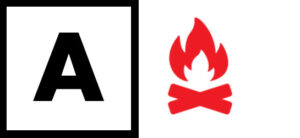
Class A fires consist of ordinary combustibles such as wood, paper, plastic, and most kinds of common refuse.
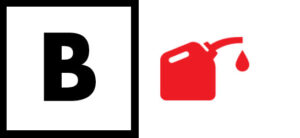
Class B fires involve flammable liquids such as gasoline, oil, solvents and the like. These should never be fought with water.

Class C fires are initiated electrically by overheated wiring, shorts in equipment, etc.

Class D fires consist of combustible metal such as lithium, potassium and magnesium. These should never be fought with water.

Class K fires involve unsaturated cooking oils and are a sub-class of Class B fires, but carry their own class due to inherent differences in how they burn. These should never be fought with water.
The ABC dry chemical fire extinguisher is the most common type used today as it's effective on the most common types of fires. The most common extinguisher chemical agent is monoammonium phosphate, or MAP for short. Other effective types are foam, CO₂, and specialized wet chemical. Each has a place in fighting specific fire types. Please consult your local Authority Having Jurisdiction (AHJ) for more specific details on the type that is required for your site.
Protect your facility with a fire extinguisher you can actually rely on.
Get in Touch